Highlights
- Recognizing Damage: Potholes, winter road treatments, and curb impacts can affect wheel appearance and performance.
- Assessing Repairs: A professional inspection helps distinguish repairable surface damage from problems requiring replacement.
- Protecting Finishes: Appropriate refinishing and routine cleaning can help limit corrosion and preserve appearance.
- Considering Costs: Restoring a suitable wheel may cost less than replacing it, depending on the damage.
Wheels endure daily punishment, but drivers may overlook damage until vibration develops or a tire loses pressure. Around Layton, Ogden, and Northern Utah, winter road salt, potholes, and curb impacts add challenges. Scratches and peeling paint may be visible, but impacts can also deform wheels or damage tires.
Professional wheel reconditioning offers a way to address eligible damage without automatically purchasing a replacement. An inspection determines whether a rim can be saved and identifies suitable repairs. Understanding inspections, repairs, and refinishing helps drivers make informed decisions.
Understanding What Professional Restoration Involves
A wheel can look worn without being structurally compromised. Curb rash and oxidation affect finishes, while pothole strikes may cause hidden bends. Technicians consider material, damage location, condition, and manufacturer guidance before recommending repairs.
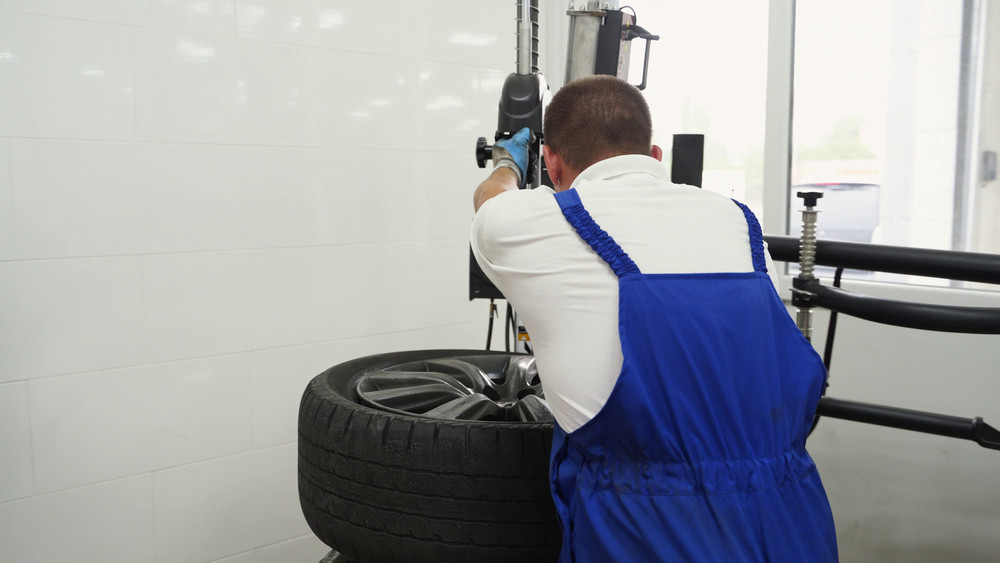
For an appropriate candidate, wheel reconditioning may involve cleaning away contaminants, preparing the affected surface, addressing repairable damage, and applying a compatible finish. For suspected bends, technicians can check runout, or deviation during rotation. They may inspect the tire-contacting bead seat for damage contributing to air loss.
Repairs have limits. Some cracks, severe distortion, previous unsuccessful repairs, or damage near critical mounting areas may make replacement necessary. The objective is a sound wheel, not merely an attractive one.
Wheel material matters, too. Aluminum alloys and steel respond differently to impact, corrosion, and refinishing methods. A repair suitable for one design may be inappropriate for another, even when the visible damage looks similar. Ask the shop what it can verify about your specific wheel rather than relying on general promises about restored strength.
Recognizing Problems After Northern Utah Driving
Potholes can become especially troublesome as winter temperatures fluctuate and pavement deteriorates. Drivers commuting between Layton and Ogden may also encounter loose gravel, uneven construction areas, and residue from winter road treatments. Regular checks are worthwhile, particularly after a sharp impact.
Watch for a new steering wheel vibration, a vehicle that suddenly feels different, repeated tire pressure warnings, or a visibly bent rim edge. Surface bubbling, flaking clear coat, and white oxidation on aluminum wheels can also indicate that protective finishes are deteriorating. Slow leaks can originate in tires, valves, or wheels.
If you hit a deep pothole, pull over somewhere safe when practical and look for obvious tire or wheel damage. Avoid driving on a visibly damaged tire or a wheel that appears seriously distorted. Seek assessment rather than assuming inflation or balancing fixes the issue.
Before a longer drive on Interstate 15 or into the mountains, check that tires hold their recommended pressure and look over accessible wheel surfaces. These quick checks cannot identify every hidden problem, but they may reveal a fresh scrape, developing corrosion, or an obvious bend worth discussing with a technician.
Putting Inspection and Safety First
A responsible assessment considers more than the face of the rim. Technicians may inspect the inner barrel, mounting surfaces, and tire contact areas. When tire removal is warranted, it can also reveal damage concealed by the mounted tire. Repairs must respect manufacturer restrictions and intended use.
Winter road treatments can create broader maintenance concerns beyond appearance alone. According to the Bureau of Transportation, each ton of winter road salt causes approximately $1,500 in corrosion damage to vehicles, bridges, and the environment.
Documenting when symptoms started can also help technicians connect a new issue with a recent impact or winter exposure.
Technicians should also establish whether a vibration comes from the wheel, tire, balance, suspension, or another component. A repaired finish cannot correct a defective tire or worn suspension part. Discuss findings and limitations before choosing repair or replacement.
Protecting Wheels From Salt and Corrosion
Northern Utah winters can be tough on exposed finishes. Road salt and other treatment residue collect around spokes, lug recesses, and rim edges, particularly when moisture remains on the surface. Brake dust adds buildup. Once a protective coating is chipped, corrosion may spread beneath surrounding paint or clear coat.
Refinishing typically starts with removing contamination and preparing damaged areas. A suitable primer, color coat, or clear coat may then be applied according to the wheel material and finish. This improves appearance and renews surface protection. Results depend on preparation and maintenance; no coating prevents all future damage.
Between appointments, rinse away winter residue when conditions allow and use cleaning products suitable for the wheel’s finish. Avoid brushes or chemicals that damage protective layers. Inspect chips early, and follow product instructions before using a newly refinished wheel or cleaning its surface.
Seasonal cleaning is especially useful after a stretch of salted roads. Allow wheels to cool before washing, then rinse thoroughly, including around spoke openings and other areas where residue collects. If coating begins lifting or a stain persists after gentle cleaning, seek advice before sanding or applying an unfamiliar chemical to the finish.
Comparing Restoration Costs With Replacement
A replacement wheel can be expensive, especially when matching an original design or specialty finish. Costs depend on vehicle, replacement availability, and damage. Cosmetic repairs may save money; extensive damage may warrant replacement.
Before approving wheel reconditioning, request an estimate that identifies the proposed work and any relevant limitations. Ask whether pricing includes finishing, tire handling, and final checks. Compare estimates with compatible replacement costs. A wheel that cannot be repaired appropriately should not stay in service simply to avoid a purchase. Consider asking about warranty coverage and potential additional service fees.
Restoration may preserve a consistent appearance when finishes can be closely matched. Addressing chips early may also limit subsequent corrosion, although results vary.
Scheduling Service With Young Collision Center
Young Collision Center offers wheel reconditioning service at its North Layton location, including inspection, repair or refinishing of suitable damage, and a final quality check. Ogden-area drivers can ask about curb rash, scratches, dents, and corrosion.
Share when the damage occurred, whether the vehicle vibrates, and whether a tire has been losing air. Photos help illustrate concerns, but an in-person inspection may be necessary. Ask about finish matching, estimated costs, and whether your particular wheel can be repaired within applicable guidelines.
Early attention may limit finish deterioration, while post-impact inspections can reveal urgent concerns. Contact Young Collision Center to request an estimate and discuss the next appropriate step for your vehicle.
Frequently Asked Questions
A technician inspects the wheel, evaluates whether the damage is suitable for repair, and explains the recommended work. Work may include cleaning, correcting eligible defects, and refinishing. Some problems require replacement instead. Methods depend on material, damage location, and manufacturer guidance.
Bends may contribute to vibration, but uneven tire wear also has inflation, alignment, and suspension causes. Restoration does not guarantee longer tire life. Inspect the assembly and address underlying problems.
Young Collision Center describes color matching and refinishing among its wheel services. Matching depends on finish age, materials, and damage. Ask the North Layton team what finish to expect.