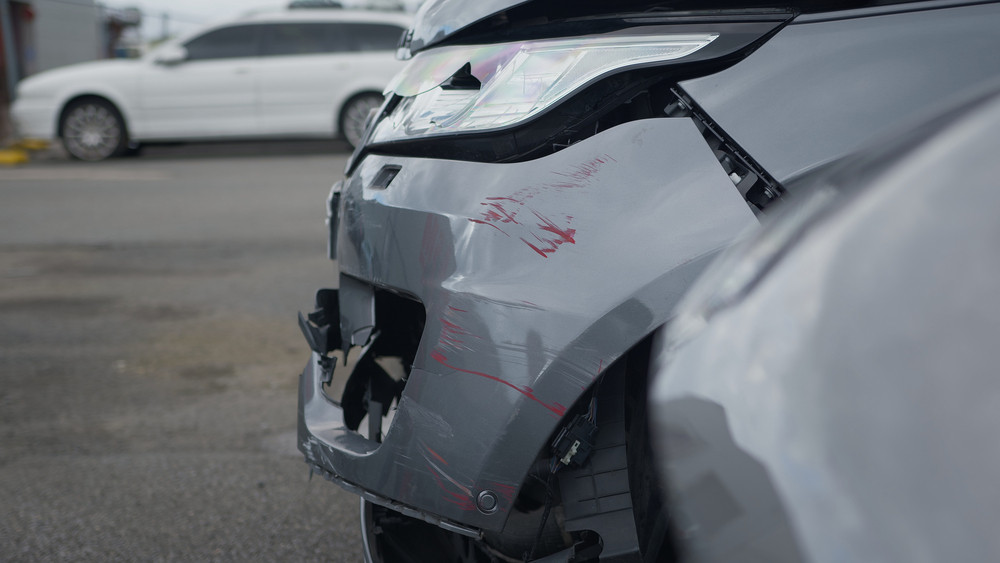
When a vehicle is involved in an accident, restoring it to pre-accident condition requires far more than a quick fix. Professional shops rely on advanced tools, skilled technicians, and precise processes to ensure every repair meets factory specifications. From structural alignment to paint matching, every step plays a critical role in safety and performance. Understanding how collision repair works can help drivers feel confident in the restoration process.
Inspecting And Assessing Damage
The first step in any collision repair process is a thorough inspection. Technicians evaluate both visible and hidden damage to create a comprehensive repair plan.
During this phase, professionals focus on:
- Identifying structural damage to the frame or unibody
- Assessing mechanical and electrical system issues
- Documenting cosmetic damage such as dents, scratches, and paint loss
Advanced diagnostic tools and computerized systems help ensure nothing is overlooked. This detailed evaluation allows repair teams to provide accurate estimates and timelines while maintaining transparency with the customer.
Repairing And Realigning The Frame
One of the most critical aspects of restoring a vehicle to factory standards is correcting structural damage. Even minor misalignment can affect handling, safety, and long-term durability.
Technicians use specialized equipment such as computerized frame machines to:
- Measure the vehicle’s frame against manufacturer specifications
- Realign the structure with precision
- Restore the integrity of crumple zones designed for impact absorption
Modern vehicles are engineered with strict tolerances, so achieving exact alignment is essential. This step ensures the vehicle performs as intended in future driving conditions.
Replacing Damaged Vehicle Components
After structural repairs are complete, technicians replace any parts that cannot be restored. Using high-quality, original-equipment manufacturer (OEM) parts is key to maintaining factory standards.
Common replacements include:
- Bumpers and panels
- Headlights and taillights
- Suspension components
- Safety systems such as sensors and airbags
Using the correct parts ensures compatibility, safety, and long-term reliability. It also helps preserve the vehicle’s value and performance.
Performing Bodywork And Preparing Surfaces
Once the major repairs are complete, the focus shifts to restoring the vehicle’s appearance. Skilled technicians perform detailed bodywork to eliminate imperfections and prepare the surface for painting.
This stage includes:
- Smoothing dents and reshaping panels
- Applying filler where necessary
- Sanding surfaces for a flawless finish
Attention to detail is crucial here. Even small inconsistencies can become visible after painting, so technicians take extra care to achieve a smooth, even surface.
Matching Paint And Refinishing Surfaces
Paint restoration is one of the most visible parts of collision repair, and it requires both technology and expertise. Modern shops use computerized color-matching systems to replicate the original factory finish.
The refinishing process typically involves:
- Mixing paint to match the exact color code
- Applying multiple layers, including primer, base coat, and clear coat
- Baking the paint in a controlled environment for durability
This ensures the repaired area blends seamlessly with the rest of the vehicle. A high-quality finish not only improves appearance but also protects against corrosion and environmental damage.
Verifying Quality And Ensuring Safety
Before a vehicle is returned to its owner, it undergoes rigorous quality control inspections. This step ensures that all repairs meet manufacturer standards and safety requirements.
Technicians perform checks such as:
- Verifying proper alignment and fit of all components
- Testing safety systems and sensors
- Conducting road tests to confirm performance
These final inspections are essential for ensuring that the vehicle is safe, reliable, and ready for everyday use.
Leveraging Technology In Modern Repairs
Technology plays a major role in today’s collision repair industry. From diagnostic tools to repair equipment, advancements have improved accuracy and efficiency.
According to Grand View Research, the U.S. automotive collision repair market was valued at over USD 36 billion in two thousand twenty-three and is expected to grow at a steady rate of about 0.8% annually through 2030. This growth reflects increasing demand for high-quality repairs and advanced technologies.
Modern innovations include:
- Digital measuring systems for precise alignment
- Advanced driver-assistance system (ADAS) calibration tools
- Environmentally friendly paint systems
These tools allow technicians to restore vehicles more accurately while keeping up with evolving automotive designs.
Maintaining Training And Certification Standards
Another key factor in high-quality collision repair is the ongoing training and certification of technicians. As vehicle technology continues to evolve, repair professionals must stay current with new materials, systems, and manufacturer guidelines.
Certified technicians often receive specialized training in:
- Repairing advanced materials such as aluminum and high-strength steel
- Calibrating advanced driver-assistance systems (ADAS)
- Following manufacturer-specific repair procedures
Shops that invest in continuous education demonstrate a commitment to excellence and safety. This ensures that every repair meets modern standards, even as vehicles become more complex.
Communicating Clearly With Customers
Clear communication is also an essential part of the collision repair process. Reputable shops keep customers informed at every stage, helping them understand what to expect and why certain repairs are necessary.
Effective communication includes:
- Providing detailed repair estimates and timelines
- Explaining the scope of work in simple terms
- Offering updates throughout the repair process
This transparency builds trust and helps customers feel confident in the work being performed. When drivers understand the process, they are more likely to appreciate the level of care and precision involved in restoring their vehicle.
Choosing The Right Repair Shop
Not all repair facilities deliver the same level of quality, which is why selecting a trusted provider is essential for proper collision repair. A reputable shop combines experience, advanced equipment, and a customer-focused approach to ensure every vehicle is restored correctly.
When evaluating a repair center, consider the following:
- Certifications and manufacturer approvals
- Use of modern tools and repair techniques
- Positive customer reviews and testimonials
Choosing the right team helps ensure your vehicle is repaired safely and efficiently the first time. With the right expertise behind the process, drivers can feel confident that their vehicle has been restored to factory standards and is ready for the road ahead.
Restoring Vehicles To Factory Standards
Restoring a vehicle after an accident is a detailed and highly technical process. Each phase, from assessment to refinishing, contributes to achieving factory-level results. By following strict procedures and using advanced tools, technicians ensure that vehicles are not only visually restored but also structurally sound and safe to drive. If your vehicle has been damaged, trust the experts at Young Collision Center to deliver high-quality collision repair services that restore your car to its original condition.