Auto Body Shop vs. Dealership: Which Is Right for You? Use this handy checklist to make sure you’re not skipping anything.
When your vehicle sustains exterior damage, deciding where to take it for repairs can feel overwhelming. You generally face a choice between an independent auto body shop and a traditional dealership service center. Making the correct decision ensures your vehicle receives high-quality craftsmanship, maintains its safety standards, and retains its resale value.
Choosing the right facility requires evaluating your specific repair needs, insurance coverage, and budget. According to market data from WifiTalents, the total revenue of the domestic auto body shop sector approached approximately $51.3 billion in 2023, showcasing intense market demand and consistent expansion leading into 2026. This massive financial footprint highlights just how many drivers rely on specialized facilities to restore their vehicles. To help you navigate this decision with confidence, you can utilize this comprehensive guide and checklist to evaluate your options.
Variations in Service Offerings
Before diving into the checklist, it is important to understand what sets these two entities apart. Dealerships specialize in specific vehicle makes and often focus primarily on mechanical repairs, though some house specialized collision departments. Conversely, an independent auto body shop focuses exclusively on exterior reconditioning, structural alignment, and paint matching for all makes and models.
Furthermore, independent facilities often offer more personalized customer service because they are deeply rooted in the local community. While a large dealership might manage hundreds of routine oil changes and mechanical diagnostic tests each day, an independent shop dedicates its entire facility, training, and staff to collision restoration. This focused specialization ensures that your vehicle is not just another number in a massive queue, but rather a priority project managed by dedicated artisans. Working with a neighborhood provider also keeps your hard-earned money within the local economy, strengthening community businesses and fostering long-term relationships built on trust.
Checklist for Informed Decisions
To ensure you are not skipping any critical details, utilize the following checklist before booking your service appointment:
- Evaluate the Damage Type: If your vehicle has experienced major structural damage, minor door dings, or paint blemishes, a dedicated auto body shop is typically your best option. Dealerships often prioritize routine maintenance, whereas structural restoration is the primary focus of collision centers.
- Review Your Insurance Policy: Check whether your insurance provider restricts where you can go. Most insurance policies allow you to select your preferred facility, and independent shops regularly coordinate directly with insurers to manage your claim.
- Assess the Certifications: Confirm whether the technicians hold specific certifications. Look for facilities that employ Inter-Industry Conference on Auto Collision Repair (I-CAR) certified professionals and utilize original equipment manufacturer (OEM) approved techniques.
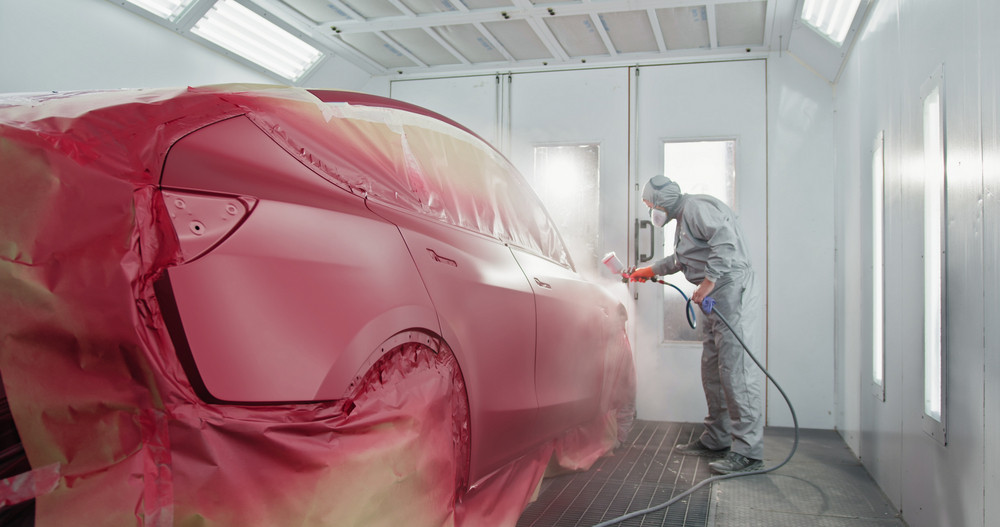
- Inquire About Paint Technology: Ensure the facility uses advanced computerized paint-matching technology. Achieving a seamless finish requires high-quality materials, such as eco-friendly waterborne paints, to perfectly replicate your factory finish.
- Check the Warranty Options: Ask if the repair facility stands behind its workmanship. Reliable facilities often offer a limited lifetime warranty on all structural repairs and cosmetic paint services.
- Consider Your Out-of-Pocket Budget: Independent collision facilities often provide more flexible pricing structures and cost-effective solutions, such as paintless dent repair (PDR), which can save you money if you are paying without insurance.
Evaluation of Technical Capabilities
When you select a facility, you should verify that it possesses the advanced technology required to repair modern vehicles. Advanced safety systems, including cameras, radar, and sensors, require precise calibration after an accident. A fully equipped auto body shop utilizes specialized computerized frame measuring tools and advanced laser frame technology to restore your vehicle to factory specifications.
Furthermore, parts accuracy plays a vital role in minimizing repair delays. Independent shops focus heavily on thorough vehicle disassembly and meticulous damage analysis during the initial inspection. This comprehensive process allows the technicians to verify your vehicle identification number (VIN), production date, and color codes immediately. Because they specialize exclusively in structural restoration, independent facilities are highly efficient at sourcing both OEM and high-quality alternative parts to accelerate your turnaround time.
Modern vehicles are incredibly complex, often featuring advanced high-strength steel, aluminum panels, and intricate carbon fiber components. A standard dealership service bay may lack the highly specialized hydraulic pulling systems or clean-room environments required to manipulate and weld these advanced materials safely. By choosing a facility that invests heavily in specialized collision tooling, you guarantee that your car’s structural integrity remains entirely uncompromised. Meticulous calibration protocols ensure your lane-assist and collision-avoidance systems work flawlessly once you return to the road, reducing the likelihood of future technical malfunctions.
Milestones in the Restoration Timeline
The repair journey involves several clear milestones that you should monitor closely. A transparent shop will guide you through the following four steps:
- Comprehensive Analysis: Technicians complete a meticulous inspection and provide a detailed cost breakdown before any work begins.
- Disassembly and Verification: The team carefully disassembles the affected areas to document hidden damage and order accurate components.
- Structural and Cosmetic Restorations: Experts use laser alignment tools for structural corrections before applying flawless, eco-friendly automotive paint.
- Final Quality Assurance Inspection: Highly trained personnel follow a detailed checklist during vehicle reassembly to ensure every component functions safely.
During the final phase, technicians should also conduct road testing and full system scans. This level of diligence ensures that your vehicle drives as smoothly as it did before the incident and that all electronic safety features are fully operational. Many independent collision centers will even detail your vehicle, delivering a clean, fully restored car back to your driveway. This thorough post-repair detailing separates top-tier service providers from standard mechanical garages. Clear and consistent updates throughout these four phases will give you reassurance during an otherwise stressful situation.
Choosing a dedicated facility ensures your car receives focused care from professionals who live and breathe collision repair. By keeping these checklist items in mind, you can protect your automotive investment and hit the road with total peace of mind. For top-tier exterior reconditioning, advanced structural alignment, and manufacturer-certified collision repair in Utah and Idaho, look no further than Young Collision Center.